—Pauline B., fourth-year student, University of Victoria
We’ve heard it time and time again: Exercise is good for you. But it can be daunting when you’re managing medical conditions like arthritis, scoliosis, and other physical disabilities. Let’s break down the different types of exercise and how they can benefit those who may be facing some barriers.
There are four main types of exercises that can improve our overall health and physical ability: strength, endurance, balance, and flexibility. Each type has its own benefits, and it’s important to consider your specific goals when choosing an exercise style. The Centers for Disease Control and Prevention (CDC) and other health organizations recommend that we try to complete at least 30 minutes of moderate physical activity daily, or 150 minutes of moderate physical activity per week. (You know you’re doing moderate-intensity activity if you can talk but not sing.) Examples include brisk walking or wheeling yourself in a wheelchair.

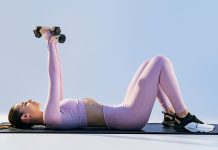
Benefits of strength training include maintaining muscle tissue, improving bone health, reducing injury risk, and managing chronic conditions. You can do strength training using your own body weight or equipment like resistance bands, free weights, or machines.
Strength training can help to manage certain types of chronic pain. It helps to support and protect joints and ease pain, stiffness, and swelling, which can alleviate arthritis symptoms. Remember that it’s important to listen to your body and schedule workouts for times of the day when you are least likely to experience pain and inflammation.
Strength training also builds muscles in the back and core through exercises such as planks, pelvic tilts, and farmer’s carries. This can help with scoliosis, since these exercises focus on keeping the spine in a neutral position.

Endurance training can improve heart and lung health by increasing your breathing and heart rates, which can reduce the risk of developing diabetes, heart disease, or stroke. Aerobic activities such as yard work, climbing stairs, swimming, cycling, and dancing are common examples of this type of exercise.
Those who have disabilities can still participate in activities that are appropriate for their abilities. Discussing your barriers with health professionals, establishing good support systems, and seeking information about accessible facilities can help you further engage with the community and promote a more active lifestyle. You can also check with your school’s disability services and gym services to see if they organize classes, leagues, and other activities.
The CDC recommends resources such as:
- Move Your Way
- National Center on Health, Physical Activity and Disability (NCHPAD) exercise video playlists
- Special Olympics Fit 5 Program

We incorporate balance into most of our daily activities, from getting dressed and bending down to walking, sitting, and standing. Balance exercises can help improve our stability, mobility, and coordination to facilitate both workout-specific movements (like weight lifting) and daily activities (like maintaining an upright position, which is especially important for those with scoliosis). Improved balance is also associated with improved reaction time, which decreases the risk of falls. Balance exercises such as standing on one foot, marching, and walking backward can improve one’s body awareness.
 Developing and maintaining flexibility through stretching and yoga may reduce the risk of injuries, improve range of motion, and contribute to establishing better balance. Similar to strength training, flexibility exercises can help with arthritis symptoms by stretching the muscles around the affected joints and limiting stiffness after workouts.
Flexibility exercises also address muscle imbalances caused by scoliosis because they stretch the muscles that support the spine. Examples include yoga poses (e.g., cat-cow, child’s pose) and wall stretching (e.g., shoulder stretches, legs up the wall, calf stretches).
Remember: Before starting any exercise program, ask your health care provider what types of workouts are safe and effective for your ability and activity level.