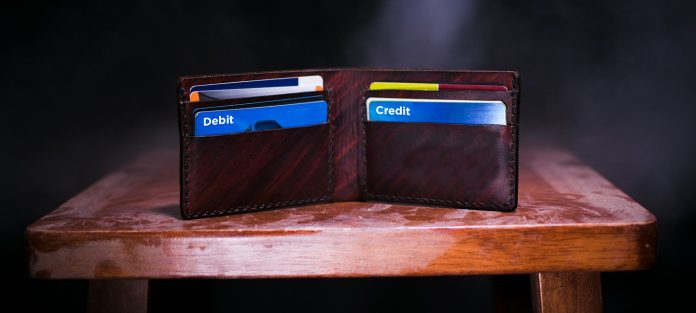
We all know that money is easy to spend but not quite as easy to manage. If you use a debit or credit card—or are thinking about getting your first card—it helps to have a foundational understanding of the difference between the two, the pros and cons of each, and how to avoid paying interest and other fees (something many card holders still struggle with).
The basics of debit and credit cards
According to the 2019 Majoring in Money report by Sallie Mae, 85 percent of college students surveyed used a debit card, while only 57 percent used a credit card. Is there a benefit to using one over the other? Let’s break it down.
A debit card has two purposes:
- Withdrawing cash from your bank or an ATM
- Making payments directly out of your checking account
When you make a debit payment, the money comes directly out of your account. This can be convenient, but it can also be risky. Using your debit card too freely and not monitoring your account history closely can result in overdrafting or having a transaction declined due to insufficient funds. You also have to be careful to keep your card secure because it provides direct access to your bank account.
Credit cards are different. When you use credit, you are effectively borrowing money from the card provider, and you have to pay it back on a monthly schedule. The billing cycle can be confusing, but a few simple guidelines can help you avoid any unnecessary fees:
- Find a card with no annual fees. (Some cards charge a yearly fee just to have the card, but there are plenty of options that don’t have these fees.)
- Pay off your full balance on time every month to avoid paying interest charges.
- If you can’t pay off your full balance, avoid extra late fees by making the specified minimum payment (and maybe review your budgeting habits).
- If your credit card is lost or stolen, contact your provider immediately. In most circumstances, you won’t be liable for any fraudulent charges.

Making payments on time is also important because it affects your credit score, which determines interest rates and other fees you’ll pay in the future. Credit scores are also used for many other purposes. For example, it’s common to have your credit checked when you apply for a job or rent an apartment. According to a 2020 report by doxo, an online bill paying service, the cost of having a low credit score exceeds overdraft and late fees for average households. This is likely because those with lower credit scores tend to be seen as higher risk by banks and lending companies and are therefore charged higher interest rates on loans (such as a car or house loan). “A bad credit score can cost you tens of thousands if not hundreds of thousands of dollars in interest payments over your lifetime,” says John Pelletier, director of the Center for Financial Literacy at Champlain College in Burlington, Vermont. Using a debit card typically does not contribute to your credit score because you aren’t borrowing money and paying it back—you’re just using money that’s already in your account. For this reason, it’s wise to start using a credit card (as long as you can do so responsibly), even if it’s just for small purchases, like takeout or a cup of coffee, that you know you can easily pay back. Setting up automatic payments for credit cards and bills can be a great way to avoid late fees and interest payments. However, if you’re on a tight budget, or don’t frequently monitor the available funds in your bank account, be careful about using autopay services. If you have an unexpectedly high electric bill one month, you could accidentally overdraft your account or end up with insufficient funds for a different time-sensitive transaction. “Try an autopay system if you are bad at remembering to pay your credit card balance. If remembering isn’t the issue and budgeting is, then make sure you build a plan for how you’ll pay off your debt each month and set very clear guidelines for how much you can afford to spend. Besides that, I make sure to log into my bank account and check the charges one to two times per month. It takes about one minute and saves a lot of headache in the long run!” Credit cards with no annual fees: NerdWallet Best checking accounts for college students: The College Investor Helpful checklists and how-to guides: US Consumer Financial Protection Bureau Money management guide for college students: CNBC Financial education resources for students: Jump$tart Coalition John Pelletier, director, Center for Financial Literacy at Champlain College, Burlington, Vermont. Bankrate. (2020, November 21). 2020 checking account and ATM fee study. https://www.bankrate.com/banking/checking/checking-account-survey/ doxoINSIGHTS. (2020, July). The hidden costs of bill pay. https://fm.cnbc.com/applications/cnbc.com/resources/editorialfiles/2020/07/13/doxoINSIGHTS%20Hidden%20Costs%20of%20Bill%20Pay%20Report.pdf Sallie Mae. (2019). Majoring in money: How college students and other young adults manage their finances. https://www.salliemae.com/assets/about/who_we_are/Majoring-In-Money-Report-2019.pdf Stein, G. (2017, January 19). US Consumer Financial Protection Bureau. Understanding the overdraft “opt-in” choice. https://www.consumerfinance.gov/about-us/blog/understanding-overdraft-opt-choice/ CampusWell survey, January 2021.Debit card
Pros:
Cons:
Credit card
Pros:
Cons:
The case for credit cards: Improving your credit score
So you decided to start using a credit card. Should you set up automatic payments?
 A smart alternative can be to set recurring reminders on your phone or calendar to check the balance on your accounts and make any required payments. This way, you can guard against forgetting to make a payment without worrying about accidental overdrafts.
—Wendy Z., graduate student, UT Southwestern, Dallas, Texas
Article sources