Key points
- Research shows that both creating and consuming art can boost happiness and lower stress.
- Art can help you practice mindfulness and disconnect from tech.
- Art therapists can help you work through stress, trauma, depression, and other mental health issues.
You’ve probably heard the saying “a picture is worth a thousand words.” That’s because images can communicate ideas, emotions, and stories in ways that words alone cannot. The same is true for creating art—making art helps express feelings or trauma that can otherwise get bottled up inside. And that’s terrific for mental health.
“We know that sharing our feelings helps, but sometimes we are not ready to talk,” says Susan Mericle, a board-certified art therapist at Timberline Knolls Residential Treatment Center in Lemont, Illinois. “Art allows nonverbal expression, especially when we are not sure ourselves what we feel.”
Research backs up the mental health benefits of engaging with art, too. One study of more than 23,000 adults in the UK found that frequent participation in the arts (e.g., dancing, painting, playing a musical instrument) and attending cultural events (e.g., seeing a play, going to an art or photography exhibition, watching a movie in a theater) is associated with lower levels of mental stress and higher levels of life satisfaction.
If creating art isn’t your thing, you can still look at art and gain similar benefits. Another study of more than 2,000 adults conducted in Taiwan found that people who visit museums and art galleries more often reported greater life satisfaction, both from the opportunity to consume art and because of the sense of camaraderie they felt from visiting these spaces with other people. Consider this your cue to call up a friend and make plans to visit a museum together. Many offer affordable student pricing, and some even offer free entrance.
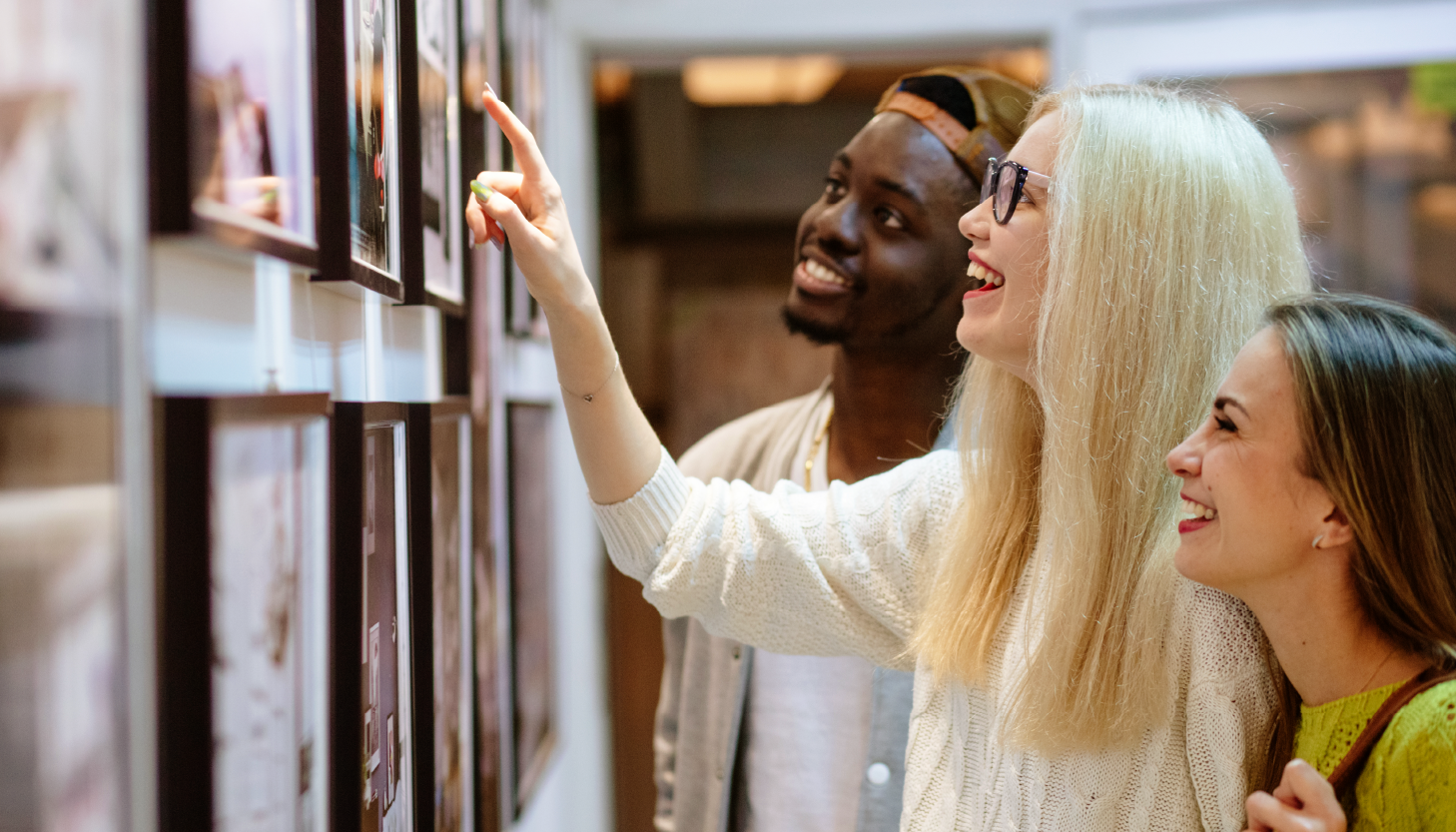
“For [anyone] living in more rural areas, museums also offer virtual tours and exhibits—I know the Art Institute of Chicago does,” says Whitney A., a second-year graduate student at Berry College in Rome, Georgia.
Whether you’re more likely to enjoy making art or you simply appreciate it, it can provide some serious mental health benefits.

1. Art can help to reduce stress.
Art can help you express your feelings, unwind and relax, and take your mind off of life’s stressors. People who use art, music, or dance to manage stress often experience lower stress levels, according to a 2018 review of studies published in the journal Behavioral Sciences.
Tapping into our creativity allows us to get in touch with our emotions in a different way than other activities do—it gives us time and space to reflect without having to deal directly with a painful situation or stressor. “Oftentimes we need help accessing our emotions and sorting them out,” says Mericle. “Art speaks the same language as our emotions, and there is something cathartic and beautiful about honest expression, even when that involves painful, difficult feelings.”
2. Art can be a coping mechanism for difficult feelings and situations.
In addition to being a tool for self-discovery, art can also be used as a coping mechanism. Creating can allow you to express your feelings and find meaning in tough life circumstances, like when you’re grieving the loss of someone close to you or even just feeling lonely.
If this describes something you’re going through, try making a drawing that expresses what’s on your mind. No one else has to see it; it’s just for your own catharsis and self-expression—so don’t worry if you feel like your artistic abilities haven’t improved much since kindergarten.
“To use art as a coping skill, I recommend having a plan to deal with the judgments and perfectionism that creating brings to the forefront,” says Mericle. “Having a non-judgmental space for yourself is essential. Try to focus on enjoying the process and not the end product.”
3. Art can help you practice mindfulness.
Mindfulness is a way to release stress and anxiety, cultivate gratitude and compassion, and find joy in every moment. Art helps cultivate mindfulness by encouraging you to stay present for the act of creation, whether you’re putting a brush to a canvas or dancing around your living room.
“[I do] dance, writing, photography, and painting,” says Camille S., a doctoral student at Texas Woman’s University in Denton. “I feel guilty leaving my studies sometimes, but, ultimately, I feel better and more focused after completing an artistic/creative practice.”
Mindfulness is often a part of art therapy, and there’s evidence that combining the two practices can help if you’re feeling anxious. In a small study of 77 participants, those who tried mindfulness-based art therapy (MBAT) exercises while playing with clay reported fewer feelings of anxiety and stress compared to those who were told to simply play with clay without using MBAT exercises.
4. Art can help boost your self-confidence.
Another great benefit of art is that it can tap into your brain’s reward center. In a small 2017 study published in The Arts in Psychotherapy, researchers measured the effect of coloring, doodling, or free drawing on the brain’s reward center. They found that a short amount of time spent doing these activities led to greater feelings of self-worth and confidence.
Plus, when you create something artistic—whether it’s a poem, painting, or even a TikTok dance video with friends—it can be satisfying to enjoy the process and see the final product.

Draw
Grab a sketchbook, some pencils, and start drawing. You can draw anything you want: animals, people, places you’ve been to, or things that inspire you. There are tons of YouTube tutorials if you’d like some tips on technique. Alternatively, a coloring book is an easy way to get started with mess-free colored pencils or markers.
Paint
All you’ll need are some acrylic or watercolor paints, brushes, and paper (or canvas). Try painting your favorite photograph, a portrait, landscape, or something colorful and abstract. Try a vintage Bob Ross video—this iconic artist’s voice is so soothing he became an accidental ASMR pioneer.
“[Painting and drawing] help me lose focus of the complex, out-of-control things I can’t tamper with.” —Logan O., second-year student, Northwest Missouri State University, Maryville
Dance
Put on some music and dance. There’s no shortage of studies that demonstrate that exercise is good for mental health, and dance combines the benefits of exercise and making art. If you’d like a bit more structure, YouTube has plenty of beginner routines you can follow along with.
“I paint and attend Zumba. I notice that I feel less stressed when I do these things. It clears my mind, and I feel lighter.”—Courtney V., third-year graduate student, Michigan Technological University, Houghton
Spin clay
Many pottery studios offer beginner workshops so you can try your hand at making your own clay pieces using a pottery wheel. Some studios will even bake your piece and glaze it for you to keep.
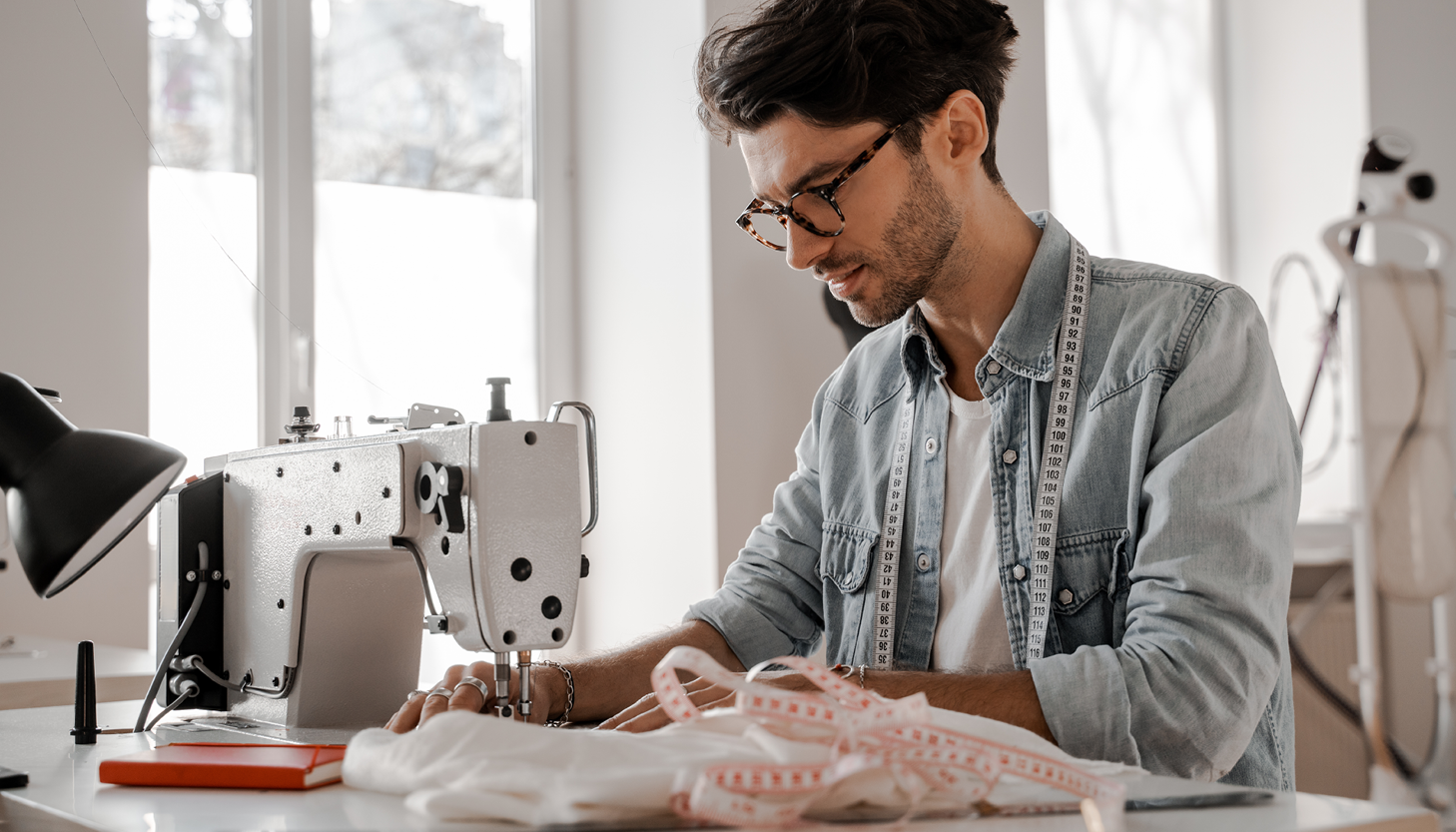
Sew, knit, or crochet
It does involve a little bit of learning, but you can pick up basic skills with an online tutorial. Once you get the hang of it, the repetitive movements can become a relaxing habit.
Make music
Try picking up a new instrument (or one you haven’t touched in a while), like guitar or piano. There are thousands upon thousands of free tutorials available online. You can learn covers of your favorite songs or write your own original compositions.
“I play the guitar and dance. It helps me express my emotions and get in touch with my inner self. These activities greatly reduce [my] stress and anxiety.”—Brenda C., second-year student, San Diego Mesa College, California

Museums and galleries
There are hundreds of museums around the world that feature everything from ancient artifacts to modern art. These spaces provide a unique opportunity for cultural exploration and creative inspiration, and often offer free or reduced-cost admission to students.
Theater
Plays are a fun outing and can make you feel lots of emotions—sort of like a good movie, but with the added energy of seeing the actors in real life. Tickets can be costly, but community performances or shows offered by student groups tend to be very affordable. You might even find yourself wanting to audition for the next one.
Concerts
You might find it difficult to go see concerts as often as you’d like due to budget constraints. Luckily, there are many venues where ticket prices remain low, especially if you buy them directly from the venue. Songkick and wegow both showcase indie and lesser-known band concert listings, which also tend to cost less. Grab a friend and go see a performance by an artist you’ve never heard of, and you may find you’ve discovered your new favorite musician.
There are endless ways to get creative, whether you’re making your own art or appreciating it with friends. So go ahead: Put down your phone, take a break from screens and social media, and make time for art. You’ll be glad you did.

If you’re not experiencing the benefits of creating art because you’re struggling to find inspiration or silence your inner critic, a professional art therapist can help. They can guide you through the process step-by-step, and as a bonus, they’ll typically already have art supplies on hand for you to use. Look for credentials like ATR, ATR-BC, or BC-DMT next to the therapist’s name for someone who has received special training or board certification in art or dance/movement therapy.
“Art therapy provides a safe and nonjudgmental environment in which you can explore themes relevant to your recovery process,” says Mericle. “Using a wide array of artistic materials, you’ll be supported in expressing yourself. The goal is to increase your self-awareness and feel the benefits of mindfulness that the process of creating provides.”
How making art improves mental health: Smithsonian
Art for self-care and mental health: The Whole U
Article sources
Susan Mericle, board-certified art therapist, Timberline Knolls Residential Treatment Center, Lemont, Illinois.
CampusWell survey, January 2023.
Beerse, M. E., Van Lith, T., & Stanwood, G. (2020). Therapeutic psychological and biological responses to mindfulness‐based art therapy. Stress and Health, 36(4), 419–432. https://doi.org/10.1002/smi.2937
Kaimal, G., Ayaz, H., Herres, J., Dieterich-Hartwella, R., et al. (2017). Functional near-infrared spectroscopy assessment of reward perception based on visual self-expression: Coloring, doodling, and free drawing. The Arts in Psychotherapy, 55, 85–92. https://doi.org/10.1016/j.aip.2017.05.004
Kaimal, G., Ray, K., & Muniz, J. (2016). Reduction of cortisol levels and participants’ responses following art making. Art Therapy, 33(2), 74–80. https://doi.org/10.1080/07421656.2016.1166832
Lee, C. W., Lin, L. C., & Hung, H. C. (2021). Art and cultural participation and life satisfaction in adults: The role of physical health, mental health, and interpersonal relationships. Frontiers in Public Health, 8. https://doi.org/10.3389/fpubh.2020.582342
Martin, L., Oepen, R., Bauer, K., Nottensteiner, A., et al. (2018). Creative arts interventions for stress management and prevention—a systematic review. Behavioral Sciences, 8(2), 28. http://dx.doi.org/10.3390/bs8020028
Wang, S., Mak, H. W., & Fancourt, D. (2020). Arts, mental distress, mental health functioning & life satisfaction: Fixed-effects analyses of a nationally-representative panel study. BMC Public Health, 20(1). https://doi.org/10.1186/s12889-019-8109-y