Key points
- Recent summers have been hotter than historical averages, meaning that more of the population will have to deal with extreme heat—a trend that is likely to continue in the future.
- Hot weather, along with other factors like direct sunlight and humidity, can lead to heat exhaustion and heat stroke, which are both serious conditions that can have harmful effects on your health.
- Taking the proper precautions can help you enjoy your summer while staying safe and comfortable, even when it’s hot outside.
Do summers feel hotter than they used to? It isn’t your imagination. The summer of 2023 was the hottest summer on record according to a 2023 study published by the National Oceanic and Atmospheric Administration. In fact, the past 10 summers have been the top 10 warmest summers on record.
Because of climate change, record-breaking heat waves are projected to happen far more often in the coming decades, meaning that we all might need to get used to dealing with extreme summer heat. But before you cancel your beach vacation, it’s worth educating yourself on the best ways to stay cool during the summer heat.
“With proper planning and good judgment, you can stay safe and thrive even in extremely hot weather,” says Lee Ann Hamilton, director of health promotion and preventive services at the University of Arizona in Tucson.
How to stay cool in hot weather
Whether you’re planning a 20-mile hike with your friends this summer or just hoping to stay comfortable at home, there are lots of helpful strategies to stay cool—and stay safe—when it’s hot outside.
The biggest precautions you can take are to stay hydrated by drinking enough water (even if you aren’t feeling thirsty) and minimizing the consumption of alcohol and sugary drinks, which dehydrate the body.
Here are some other strategies for staying safe and healthy during extreme heat.
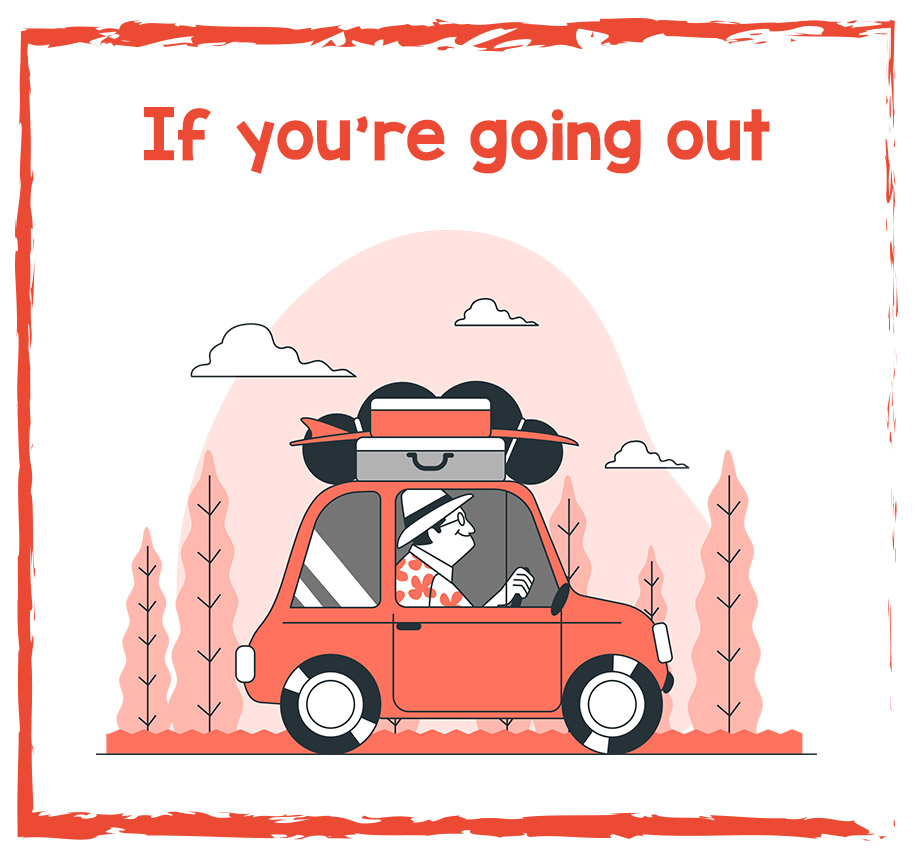
If you’re going out
- Check the weather forecast so you know what temperatures to expect and can plan accordingly.
- Schedule your activities during the morning or evening hours, when temperatures and direct sunlight are less extreme.
- Know what to wear when exercising in extreme heat—try to wear light colors and breathable, loose-fitting clothes to stay comfortable.
- Before you leave your house, make sure you have sunscreen, gas in your car, and plenty of water so you aren’t stranded in a dangerous situation.
- If possible, take breaks in air-conditioned environments or shaded areas when spending an extended amount of time outside.
- Take extra precautions if you’re planning to use alcohol or recreational drugs. These substances can cause dehydration, so pack plenty of water.
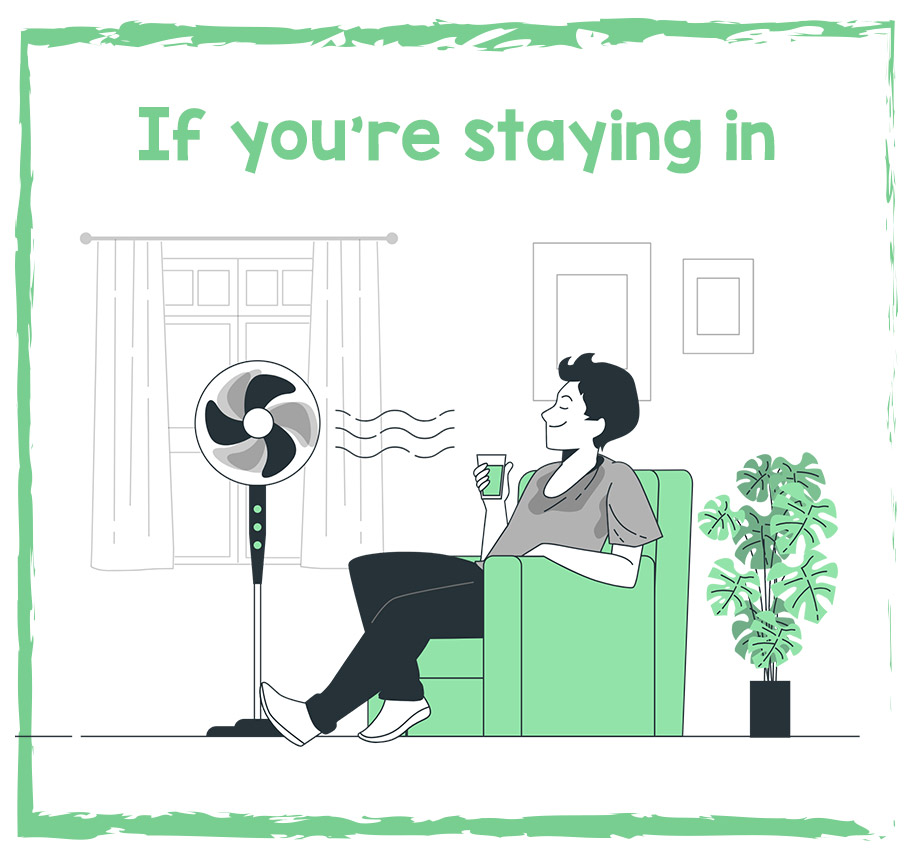
If you’re staying in
- Have a salad for lunch. Using your oven or stove can create additional heat in your home.
- Take a cold bath or shower to cool down.
- Use the air conditioning in your car if it’s difficult to maintain a comfortable temperature in your home.
- Buy a box fan (or two)—even without air conditioning, air circulation helps keep your home cool.
- Close the blinds or curtains to keep out direct sunlight.
Extreme heat is defined as two or more days with temperatures above 90 degrees, which can have a dangerous impact on the body’s ability to maintain a normal temperature.
Other factors, such as humidity and a lack of cloud cover, also impact how our bodies handle hot weather. “During humid conditions, sweating, which is a primary method that the body uses to cool down, doesn’t help because the sweat doesn’t evaporate,” says Dr. Melissa Puppa, an associate professor in the College of Health Sciences at the University of Memphis in Tennessee. The radiation of direct sunlight can also increase the risks of extreme heat, says Dr. Puppa.
Symptoms of heat illness to look out for
If you plan to spend time outside this summer, it’s important to know the symptoms of overheating. “The three main heat illnesses are heat cramps, heat exhaustion, and heatstroke,” says Dr. Puppa.

Heat cramps are often a result of dehydration, and can cause:
- Painful muscle cramps
- Excessive sweating
- Thirst
- Fatigue
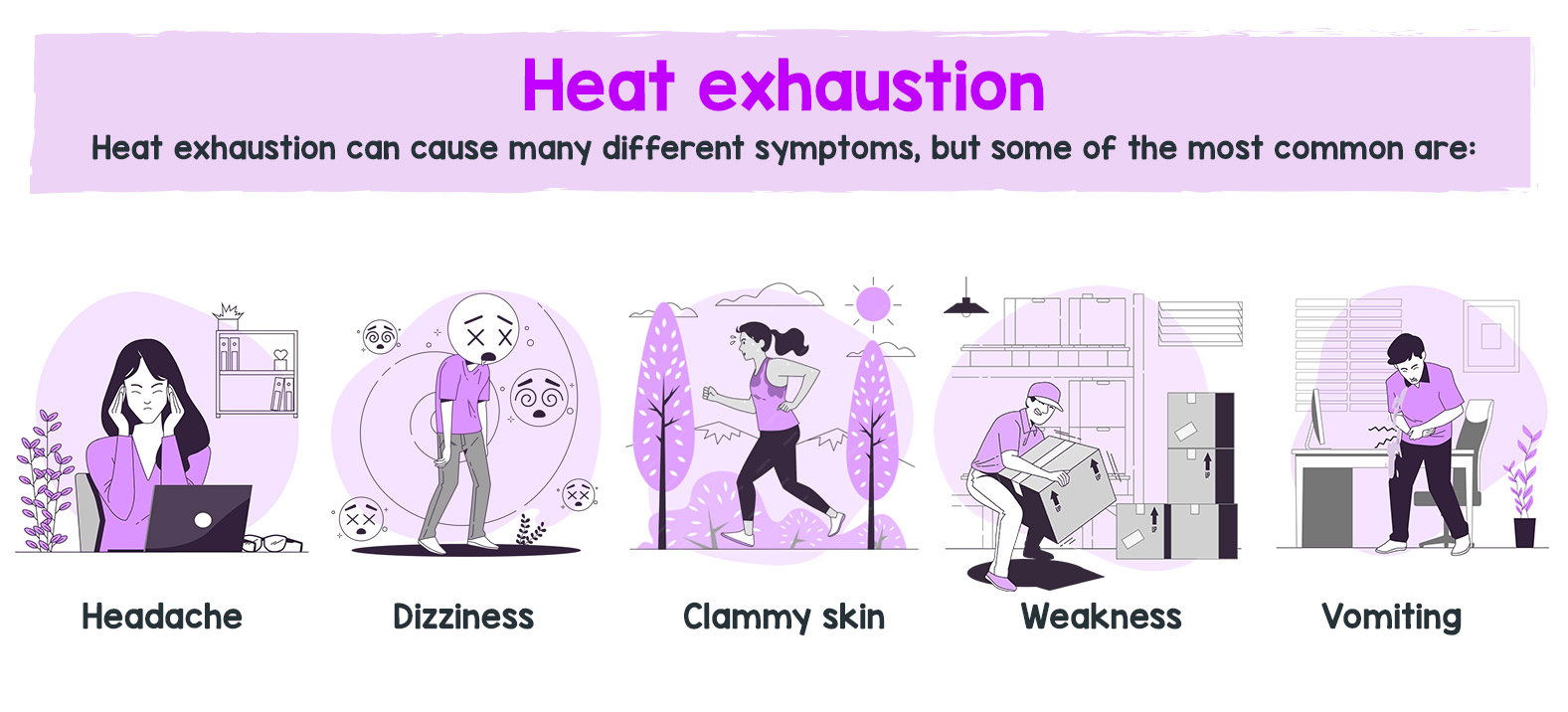
Heat exhaustion can cause many different symptoms, but some of the most common are:
- Headache
- Dizziness
- Clammy skin
- Weakness
- Vomiting
“If you experience any of these symptoms, drink more fluids, stay in the shade, lie down, stop exercising, or go indoors,” says Hamilton.
The most serious symptoms to look out for are those associated with heat stroke, which can be life threatening. “Heat stroke happens when the body gets overheated and can no longer cool itself down,” says Hamilton.
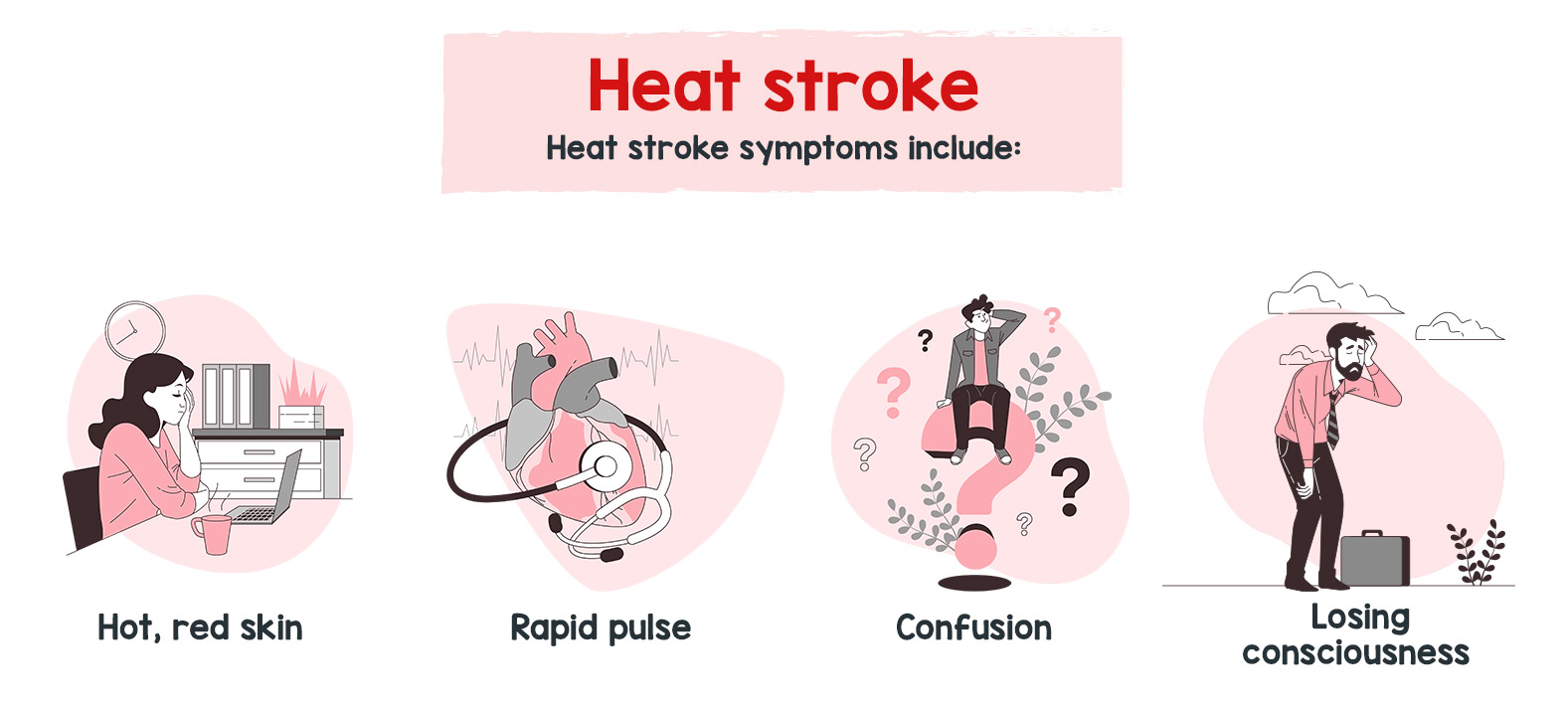
Heat stroke symptoms include:
- Hot, red skin
- Rapid pulse
- Confusion
- Losing consciousness
“Children under four years of age, people over 65, pregnant people, outdoor workers, people with chronic health conditions, athletes, emergency personnel, and people experiencing homelessness” should all take extra precautions, says Hamilton. “Athletes and emergency responders are more likely to have heat reactions due to time spent outdoors, as well as likelihood of wearing heavy clothing and equipment that can reduce the body’s ability to regulate heat, and people experiencing homelessness are at higher risk for heat illnesses since they may lack protective housing and cooling systems.”
Those affected by chronic illnesses such as heart disease, obesity, hypertension, multiple sclerosis, hyperthyroidism, and certain autoimmune diseases may also face more risk from extreme heat, says Dr. Puppa. If you know people who fall into these groups, make sure to check in on them during the summer months or during periods of extreme heat.
If you or someone you know is showing any of these symptoms, it’s important to seek medical help as quickly as possible by calling 911. You can also apply cold cloths or towels directly to the skin, or take a cold bath or shower, to decrease body temperature while waiting for help to arrive, says Hamilton.
While summer is a great time to enjoy a break from school, it’s important to stay safe, especially as extreme heat becomes more common. Keeping these tips in mind can help you make the most out of the warmer summer months.
Article sources
Lee Ann Hamilton, MA, director, Health Promotion and Preventive Services, University of Arizona, Tucson.
Melissa Puppa, PhD, associate professor, College of Health Sciences, University of Memphis, Tennessee.
Centers for Disease Control and Prevention. (2017, September 01). Warning signs and symptoms of heat-related illnesses. https://www.cdc.gov/disasters/extremeheat/warning.html
Cusack, L., de Crespigny, C., & Athanasos, P. (2011). Heatwaves and their impact on people with alcohol, drug and mental health conditions: A discussion paper on clinical practice considerations. Journal of Advanced Nursing, 67(4), 915–922. https://doi.org/10.1111/j.1365-2648.2010.05551.x
Fischer, E. M., Sippel, S., & Knutti, R. (2021). Increasing probability of record-shattering climate extremes. Nature Climate Change, 11(8), 689–695. https://doi.org/10.1038/s41558-021-01092-9
Malik, A., Bongers, C., McBain, B., Rey-Lescureet, O., al. (2022). The potential for indoor fans to change air conditioning use while maintaining human thermal comfort during hot weather: An analysis of energy demand and associated greenhouse gas emissions. The Lancet Planetary Health, 6(4). https://doi.org/10.1016/s2542-5196(22)00042-0
National Oceanic and Atmospheric Administration. (2023, September 14). The world just sweltered through its hottest August on record. https://www.noaa.gov/news/world-just-sweltered-through-its-hottest-august-on-record
Rogers, K. (2023, June 26). In extreme heat, here are 14 ways to keep your body and home cool without AC. CNN. https://www.cnn.com/2022/07/18/health/how-to-stay-cool-without-air-conditioning-wellness/index.html
U.S. Department of Homeland Security. (2023, September 06). Extreme heat. https://www.ready.gov/heat