Content warning: This article discusses topics related to disordered eating.
Key points
- Eating “clean” or trying to follow a strict, limiting diet can lead to unhealthy fixations and obsessions.
- Fitness and clean eating influencers or communities can spread dangerous misinformation on social media.
- Orthorexia isn’t yet a disease that has been formally diagnosed, but health experts are nearing closer to being able to do so.
If you’re on social media, there’s a good chance you’ve seen a fitness influencer (or ten) posting about their 4 a.m. workouts, “clean” meals, and other #fitspo content. It might look like the pinnacle of health, but some of these extreme fitness routines and diets are tied to unhealthy—or even dangerous—fixations.
 “Orthorexia, while not an official diagnosis, is an obsession with healthy eating that may result in dietary restrictions limited to a narrow group of foods,” says Kristin Wilson, a licensed professional counselor and chief experience officer at Newport Healthcare in Cherry Hill, New Jersey. “This preoccupation with healthy foods leads to ritualistic behaviors and self-punishment that impact mental health and wellness.”
Unlike eating disorders such as anorexia and bulimia, those with orthorexia (a disordered eating pattern) often display their symptoms in plain sight, making fitness and clean eating a major part of their identity.
“At initial glance, people struggling with orthorexia appear to be simply taking care of their health and body, and may even rave about their good eating habits,” adds Wilson.
But this obsession with eating only foods that have been deemed “healthy” or “safe” can be detrimental, especially when “healthy” is often defined in a seemingly arbitrary or individualistic way. Wellness influencers or #healthyeating communities on Instagram and TikTok can encourage these behaviors, too (e.g., promoting restrictive diets like keto, paleo, or low carb).
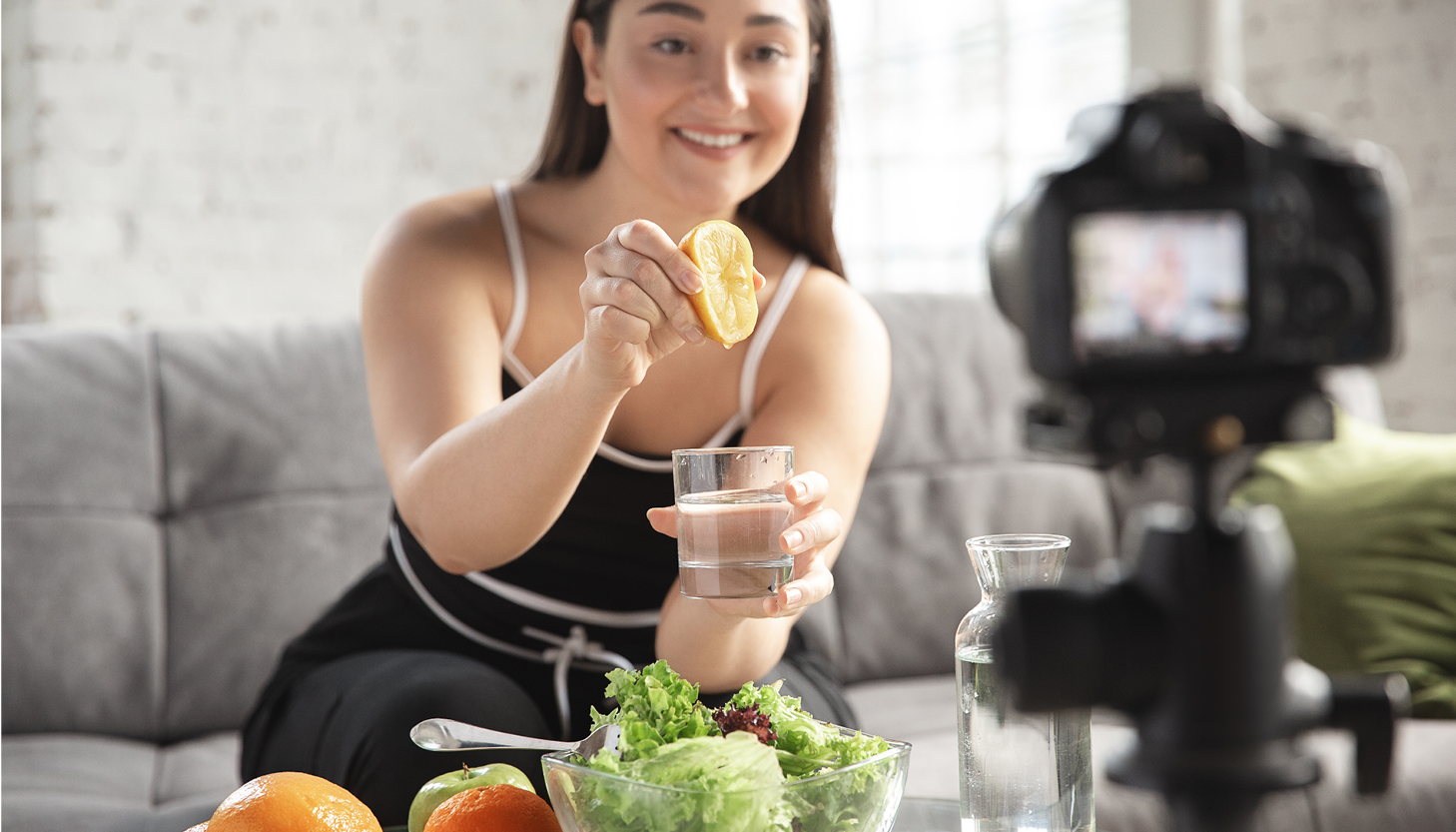
In a recent CampusWell student survey, a quarter of respondents said their eating habits are easily influenced by nutrition content on the internet, and they “often” feel stressed out or upset when eating foods that are considered unhealthy.
“I slowly cut out everything I considered unhealthy until my diet became heavily restricted and I was undernourished,” says Daniel P., a second-year graduate student at Utah State University in Logan, Utah. “I put exercise before anything else, including social interaction and sleep.”
“I have seen the desire to eat healthfully turn [into] an obsession over not eating too much of the ‘wrong’ foods,” says Deborah J., a second-year graduate student at the University of Colorado in Denver.
How can you recognize orthorexia?
While there is no formal diagnosis for orthorexia, it is being researched and recognized by more and more health care professionals. There’s also a screening tool called ORTO-15 designed to identify orthorexia behaviors.

Signs of orthorexia
- Obsessing over the consequences of healthy eating on the body
- Spending a lot of time researching nutrition and diets
- Following almost exclusively healthy eating accounts on social media
- Avoiding restaurants due to lack of healthy options
- Cutting out entire “unhealthy” food groups
- Checking and calculating ingredients for all meals
- Being closed-minded about alternative diets
The influence of social media on eating habits
Social media can be a great way to keep in touch with friends and family, but it can also have a negative impact on your life. Studies have linked reliance on social media to problems like depression, anxiety, and social isolation.
Recent research has also found a relationship between Instagram use and orthorexia in an all-female study of participants between 18 and 75 years old. The more active the study participants were on Instagram, the more likely they were to experience signs and symptoms of orthorexia.
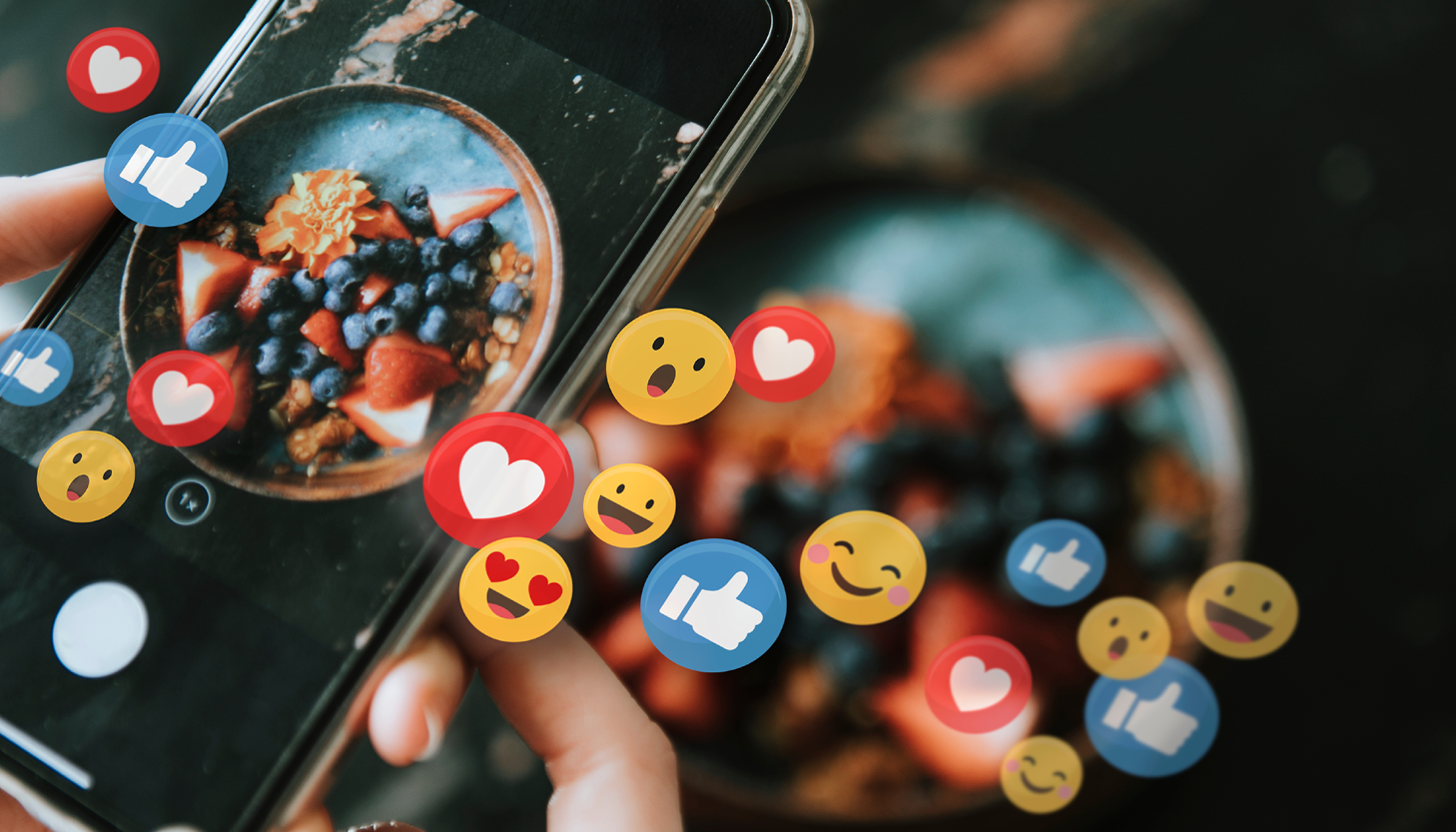
“When someone sees others who [seem to] have it all ‘together’—the perfect life, body, number of followers—it can naturally lead to wanting to be more like them,” says Wilson. “What we must remember is that social media is a filtered highlight reel of someone’s life. It’s not realistic and can be harmful when comparisons are made.”
Instagram is particularly problematic because it’s an image-focused social media platform. In one study from the peer-reviewed journal Body Image, female undergraduates were divided into three groups and shown a different set of images: celebrities, attractive people around their age, or travel destinations. The researchers found that the photos of celebrities and attractive peers had a bigger impact than the travel photos on how students felt about themselves and their bodies—in other words, these curated photos can make people feel pretty bad about themselves.
Another pitfall: Algorithms follow the principle of selective exposure. Every time you look at healthy eating content, the social media platform registers your preference and then exposes you to more of that content. Slowly but surely, your feed will show only content from influencers promoting their version of a “healthy” lifestyle.
Social media red flags
 There are a few things to keep in mind if you consume a lot of social media from the #healthyeating community. First: Influencers are rarely trained health professionals, which means they don’t have adequate knowledge to provide nutrition advice. And in some cases, even those with credentials spread wrong or harmful information in order to profit. One of the more obvious red flags? If someone’s trying to sell a product without sharing much scientific evidence about its benefits.
Second, as a quick rule, avoid anyone suggesting you do a “detox diet.” Detox diets are ineffective, not backed by science, and can be dangerous because you’re limiting calories and nutrients.
- Clean eating
- Natural diet
- Juice cleanse
- Liver detox
- Pure food
- Low carb
- Use of the words “eliminate” or “avoid”
What to do when social media becomes harmful
There’s nothing wrong with looking for recipe inspiration on Instagram or following an influencer or two because they inspire you. However, if you notice that social media is starting to impact your mental health, it might be time to take action.
Be mindful of who you follow
Don’t hesitate to unfollow anyone whose content is not supportive of your journey. If they constantly push the idea that you need to eat a certain way to achieve purity or health, it might be time to hit the “unfollow”—or even the “block”—button.
Consider taking a break from social media
You don’t have to delete your account, but deactivating it for a few days can help you rest and recharge.
“With the help of your medical/health professional, empower yourself with knowledge,” says Wilson. “Ask them to recommend books or articles that will help you learn about true health and wellness, and about developing self-worth and positive body image. With support, you can soon recognize that while healthy eating is important, it shouldn’t be the sole focus of your life.”
Improving your relationship with food
Intuitive eating focuses on listening to your body and making food choices without judgment or external influence. It rejects the idea of diets and focuses on developing a nurturing relationship with food.
If you want to adopt the intuitive eating approach, you can:
 Listen to your hunger cues. Food is fuel, so if your body says it’s time to eat, listen to it.
- Embrace all foods. Avoid labeling food as good or bad.
- Eliminate distractions at mealtimes to fully enjoy the act of eating.
- Listen to your cravings.
- Eat slowly to pay attention to all the flavors, aromas, and textures of your meal.
Warning signs of orthorexia: National Eating Disorders Association
Orthorexia, an obsession with eating “pure”: EatRight by the Academy of Nutrition and Dietetics
Article sources
Kristin Wilson, licensed professional counselor (LPC), MA, CCTP, RYT, chief experience officer, Newport Healthcare, Cherry Hill, New Jersey.
Brown, Z., & Tiggemann, M. (2016). Attractive celebrity and peer images on Instagram: Effect on women’s mood and body image. Body Image, 19, 37–43. https://doi.org/10.1016/j.bodyim.2016.08.007
CampusWell survey, July 2022.
Gip, A. (2019, September 2). Orthorexia: Can healthy eating go too far?. BDA. https://www.bda.uk.com/resource/orthorexia-can-healthy-eating-go-too-far.html
Lanitis, A., & Raspin, C. (2020). Is social media contributing to an unhealthy fixation with health? International Journal of Eating and Weight Disorders, 1(1), 12–21. https://openaccesspub.org/ijwd/article/1453
Meshi, D., & Ellithorpe, M. E. (2021). Problematic social media use and social support received in real-life versus on social media: Associations with depression, anxiety and social isolation. Addictive Behaviors, 119, 106949. https://doi.org/10.1016/j.addbeh.2021.106949
Orthorexia. (n.d.). National Eating Disorders Association. https://www.nationaleatingdisorders.org/learn/by-eating-disorder/other/orthorexia
The Bronfenbrenner Center for Translational Research. (2021, March 18). The Evidence on Detox Diets. Psychology Today. https://www.psychologytoday.com/ca/blog/evidence-based-living/202103/the-evidence-detox-diets
Turner, P. G., & Lefevre, C. E. (2017). Instagram use is linked to increased symptoms of orthorexia nervosa. Eating and Weight Disorders, 22, 277–284. https://doi.org/10.1007/s40519-017-0364-2